Balcony Room Wind Direction: Select Stern

Aug 13, 2025 By

The gentle sway of a cruise ship, the endless horizon stretching beyond your private balcony, and the whisper of sea breeze through your hair – these are the hallmarks of an unforgettable voyage. Yet seasoned travelers know that not all balcony cabins are created equal. The subtle art of selecting the optimal cabin based on wind direction, known as cabin orientation strategy among cruise enthusiasts, can dramatically enhance your sailing experience. This often-overlooked aspect of cruise planning separates casual vacationers from discerning nautical adventurers.

Modern cruise ships, those floating cities of steel and glass, present unique wind dynamics that change with the vessel's direction, speed, and weather conditions. The prevailing wind patterns across different decks and along the ship's length create microclimates that affect everything from balcony enjoyment to cabin temperature. Savvy travelers have learned to decode these invisible currents, transforming what might be an ordinary cabin into a perfectly positioned sanctuary.

Wind direction relative to the ship's movement creates distinct zones of airflow across the vessel. When sailing into headwinds, the forward sections experience stronger breezes that can make balcony use challenging. Conversely, following winds create calmer conditions aft, while beam winds produce varying effects along the port and starboard sides. The ship's superstructure creates wind shadows and acceleration zones that defy simple prediction, requiring a nuanced understanding of naval aerodynamics.

The phenomenon known as apparent wind – the combination of true wind and wind generated by the ship's movement – plays a crucial role in balcony comfort. At cruising speeds of 20-24 knots, this can add 10-15 knots to the perceived wind speed on exposed balconies. Forward-facing cabins particularly bear the brunt of this effect, while aft cabins often enjoy relative calm as they sit in the ship's wind shadow. Mid-ship locations present a compromise, with wind patterns that change less dramatically during course alterations.

Seasoned cruisers develop preferences based on itinerary and personal tolerance for breeze. Caribbean sailings might warrant windier cabin positions for natural cooling, while Alaskan voyages could benefit from more sheltered locations. The ship's architecture further complicates matters – protruding lifeboats, superstructure overhangs, and recessed balcony designs all modify local wind effects in ways that aren't always apparent from deck plans.

Technology has entered this realm of cruise planning through innovative wind mapping applications. Some cruise lines now provide virtual models showing predicted wind patterns across decks at various speeds. Third-party developers have created algorithms that factor in ship design, typical routes, and seasonal weather patterns to suggest optimal cabin selection. Yet these tools remain imperfect, unable to account for the unpredictable nature of ocean winds and last-minute itinerary changes.

The psychological aspect of wind exposure shouldn't be underestimated. What one traveler experiences as refreshing breeze, another may find uncomfortably windy. Children and elderly passengers often prefer more sheltered locations, while honeymooners might enjoy the dramatic wind-swept ambiance of forward suites. Cruise lines have responded to these preferences by creating wind-protected balcony designs – with angled glass barriers or recessed configurations – particularly on newer vessels.

Weather patterns add another layer of complexity to cabin selection. Trade wind routes create consistent patterns that experienced cruisers can anticipate, while variable weather regions demand more flexible strategies. The Mediterranean's unpredictable gusts differ markedly from the steady Caribbean easterlies or the powerful winds encountered on transatlantic crossings. Savvy travelers cross-reference historical weather data with cabin location when planning extended voyages.

Ship movement interacts with wind direction in ways that affect balcony usability. In beam seas, windward cabins may experience spray and strong gusts, while leeward cabins remain calm. Following seas can create unusual wind patterns where airflow actually moves forward relative to the ship. These phenomena explain why some cruisers insist on changing cabins for different legs of a journey, or why world cruisers often migrate between cabins seasonally.

The debate between port and starboard preference often centers on wind patterns during scenic cruising. In destinations like Alaska's Inside Passage or Norway's fjords, the dominant wind direction may determine which side offers better viewing conditions. Local knowledge becomes invaluable here – for instance, knowing that Glacier Bay's katabatic winds typically flow from starboard to port can influence cabin choice for glacier viewing days.

Cabin selection strategies must also consider the ship's itinerary changes. A transatlantic crossing presents different wind considerations than a Mediterranean hop between islands. Seasoned travelers develop mental maps of how wind patterns shift with latitude and prevailing weather systems. The Coriolis effect even plays a subtle role, influencing wind circulation patterns differently in northern and southern hemispheres.

Newer cruise ship designs attempt to mitigate wind issues through architectural innovations. Cunard's Queen Mary 2 features in-hull balconies that provide shelter from North Atlantic winds, while Celebrity's Edge series uses cantilevered balconies with wind deflectors. These design elements create micro-environments that challenge traditional wind patterns, requiring passengers to research specific ship characteristics rather than relying on general rules.

The economic aspect of wind-optimized cabins presents an interesting market dynamic. Contrary to expectations, the most sheltered cabins don't always command premium prices. Forward suites with dramatic windswept views often top the price charts, while mid-ship balcony cabins – offering a compromise between shelter and view – consistently maintain strong resale value. Discerning travelers can sometimes find excellent value in aft cabins that combine wind protection with stunning wake views.

Environmental concerns are beginning to influence this discussion as well. Some cruise lines now position wind turbines or other renewable energy devices in areas of predictable airflow, which can affect nearby cabin conditions. The growing emphasis on fuel efficiency has led to hull and superstructure designs that modify traditional wind patterns, meaning that advice from a decade ago may no longer apply to newer vessels.

Personal experimentation remains the ultimate teacher in mastering cabin selection by wind patterns. Many veteran cruisers maintain detailed journals noting wind conditions at various cabin locations, creating personalized reference guides refined over multiple voyages. This empirical approach often yields insights that contradict conventional wisdom, revealing unexpected pockets of calm or particularly pleasant breeze patterns on specific ships.

As cruise ships continue to evolve in size and design, the calculus of wind-optimized cabin selection grows more complex. The megaships of today create their own localized weather patterns that dwarf those of traditional vessels. Yet the fundamental pleasure of standing on your private balcony, feeling exactly the right amount of sea breeze, remains one of cruising's simplest yet most sophisticated joys – a reward for those who take the time to understand the invisible dance of wind and wave.

Recommend Posts
Travel

Laundry Bag: Filling"

By /Aug 13, 2025

The humble laundry bag might seem like an afterthought in the grand scheme of household chores, but its role in maintaining order and efficiency is often underestimated. From college dorm rooms to bustling family homes, the way we fill and organize our laundry bags can make a significant difference in how smoothly laundry day unfolds. The art of packing a laundry bag goes beyond simply tossing clothes into a sack—it’s about maximizing space, preserving fabric quality, and even extending the life of your garments.
Travel

Children's Custody: Age-Grouping

By /Aug 13, 2025

Childcare is a critical service that supports working parents while fostering early childhood development. One of the most effective approaches to quality childcare is age-specific programming, which tailors activities, environments, and caregiving techniques to meet the distinct needs of children at different developmental stages. Understanding these nuances ensures that children receive appropriate stimulation, safety, and emotional support as they grow.
Travel

Fukuoka Shuttle: Positioning

By /Aug 13, 2025

The city of Fukuoka, nestled on the northern shore of Japan’s Kyushu Island, has long been a hub of commerce, culture, and transportation. Its strategic location makes it a critical junction for both domestic and international travelers. In recent years, the concept of seamless connectivity has taken center stage, with Fukuoka’s transportation infrastructure evolving to meet the demands of modern transit. From its bustling airports to its efficient subway lines, the city has positioned itself as a model for urban mobility in Asia.
Travel

Balcony Room Wind Direction: Select Stern

By /Aug 13, 2025

The gentle sway of a cruise ship, the endless horizon stretching beyond your private balcony, and the whisper of sea breeze through your hair – these are the hallmarks of an unforgettable voyage. Yet seasoned travelers know that not all balcony cabins are created equal. The subtle art of selecting the optimal cabin based on wind direction, known as cabin orientation strategy among cruise enthusiasts, can dramatically enhance your sailing experience. This often-overlooked aspect of cruise planning separates casual vacationers from discerning nautical adventurers.
Travel

Steak Upgrade: Code Phrase

By /Aug 13, 2025

The steakhouse industry has developed its own coded language over decades, a system of subtle nods and winks that regular patrons learn to decode. These unspoken rules govern everything from portion sizes to preparation methods, creating an insider culture that separates casual diners from true connoisseurs. What appears as casual banter between waitstaff and customers often contains layered meanings about quality, availability, and even the kitchen's mood that evening.
Travel

Singapore Transit: 96 Hours

By /Aug 13, 2025

Singapore has long been known as a global hub for travel and commerce, and its strategic location makes it an ideal stopover for travelers crossing continents. One of the key advantages for transit passengers is the 96-hour Visa-Free Transit Facility, which allows eligible travelers to explore the vibrant city-state without needing a visa. This policy is designed to encourage visitors to experience Singapore’s rich culture, cuisine, and attractions even during a short layover.
Travel

U.S. Visa Interview: The Fruit Stand Theory

By /Aug 13, 2025

The so-called "Fruit Stall Theory" has become something of a legend among Chinese applicants for U.S. visas. Unlike official guidelines or documented procedures, this theory represents the collective wisdom distilled from thousands of visa interviews at U.S. consulates across China. At its core, the metaphor suggests that consular officers view visa applicants much like customers at a fruit stall - they must quickly assess which "fruits" are worth selecting while filtering out those that don't meet their standards.
Travel

Schengen Urgent: 48 Hours

By /Aug 13, 2025

The concept of a 48-hour Schengen visa has been a topic of significant interest for frequent travelers, business professionals, and those with urgent travel needs. While the standard Schengen visa processing time can take up to 15 days or longer, the idea of an expedited 48-hour turnaround has sparked both hope and skepticism among applicants. This report delves into the realities, challenges, and possibilities surrounding such a swift visa approval process.
Travel

Magnetic Neck Pillow: Support Data

By /Aug 13, 2025

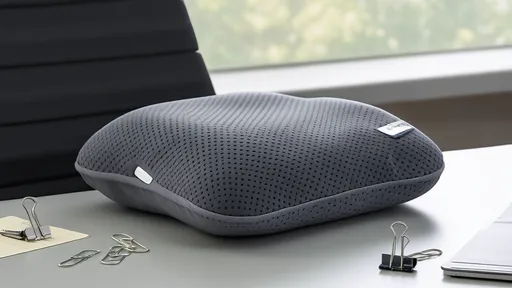
The world of travel accessories has seen a surge in innovation over the past decade, and one product that stands out for its blend of comfort and technology is the magnetic neck pillow. Designed to provide unparalleled support during long flights, car rides, or even desk work, these pillows are revolutionizing the way people think about rest and relaxation on the go. Unlike traditional neck pillows that rely solely on memory foam or inflatable designs, magnetic neck pillows incorporate strategically placed magnets to enhance posture and alleviate tension. But what does the data say about their effectiveness?
Travel

Bali Dolphin Chasing: Identification of Captain Lovina

By /Aug 13, 2025

Bali has long been celebrated for its pristine beaches, vibrant culture, and lush landscapes. Yet, beneath the surface of its turquoise waters lies another world of wonder—the playful and intelligent dolphins that dance along the island’s northern coast. Among the many captains who guide tourists to these magical encounters, one name stands out: Captain Lovina, the seasoned skipper known for his uncanny ability to track and locate dolphins with near-mythical precision.
Travel

Taiwan Coastal Line: Zhuifeng-Jingdong Ticket Stamping

By /Aug 13, 2025

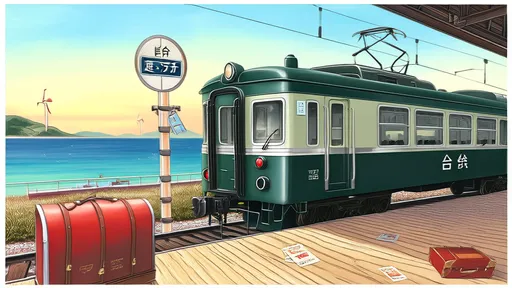
The railway lines of Taiwan hold a special charm for both locals and travelers, weaving through scenic landscapes and connecting towns with a rich cultural heritage. Among these routes, the coastal line between Zhuifen and Chenggong stations stands out not just for its picturesque views but also for a unique tradition that has captured the hearts of many: the commemorative stamping of train tickets. This practice, deeply rooted in Taiwanese railway culture, transforms a simple journey into a cherished memory.
Travel

Chengdu Panda Base: Outdoor Activity Temperature Threshold for Cubs

By /Aug 13, 2025

The Chengdu Research Base of Giant Panda Breeding, a global leader in panda conservation, has recently implemented refined temperature guidelines for allowing cubs to engage in outdoor activities. This decision comes after years of meticulous observation and data analysis, reflecting the facility's commitment to balancing the developmental needs of young pandas with their physiological limitations in varying weather conditions.
Travel

Zhuhai Chimelong: Essential Items List for Overnight Stay at Whale Shark Aquarium

By /Aug 13, 2025

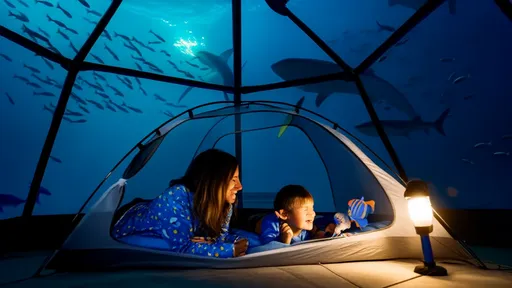
Spending a night at the Whale Shark Pavilion in Chimelong Ocean Kingdom is an unforgettable experience, blending the magic of marine life with the thrill of an overnight adventure. As the sun sets and the crowds disperse, the aquarium transforms into a serene underwater world, where the gentle giants of the sea glide silently above you. To make the most of this unique opportunity, packing the right essentials is crucial. Whether you're a first-timer or a seasoned traveler, knowing what to bring can make the difference between a comfortable night and one filled with minor inconveniences.
Travel

Reserve Breakfast Spots with Red Orangutans at Singapore Zoo

By /Aug 13, 2025

Nestled within the lush greenery of Singapore Zoo, an extraordinary wildlife encounter awaits those who plan ahead. The Orangutan Breakfast Platform offers visitors a rare opportunity to dine alongside these magnificent red-haired primates while learning about conservation efforts. This immersive experience has become one of the zoo's most sought-after attractions, blending education with unforgettable memories.
Travel

International Student Card: Guide to Skip-the-Line Access at the Louvre Museum

By /Aug 13, 2025

Paris remains one of the most visited cities in the world, and the Louvre Museum stands as its crown jewel. For students traveling abroad, navigating the crowds can be daunting, especially when faced with long queues. Fortunately, holders of the International Student Identity Card (ISIC) may be eligible for skip-the-line privileges at the Louvre, though the process isn’t always straightforward.
Travel

Shanghai Planetarium: Automating the Race for Milky Way Tickets

By /Aug 13, 2025

The Shanghai Planetarium has long been a hub for astronomy enthusiasts and curious visitors alike, offering immersive experiences that bring the cosmos closer to Earth. One of its most sought-after attractions, the "Galaxy Flight" show, has recently gained immense popularity, leading to a surge in demand for tickets. However, securing a spot for this breathtaking journey through the Milky Way has become increasingly difficult due to limited availability and overwhelming public interest. In response, tech-savvy individuals have begun developing automated scripts to streamline the ticketing process, raising questions about fairness and accessibility.
Travel

Incheon Airport Overnight: Free Capsule Pod Application Process

By /Aug 13, 2025

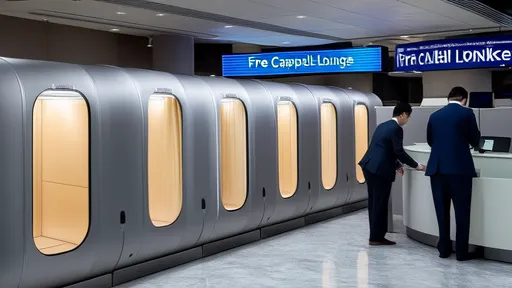
For travelers with long layovers or early morning flights at Incheon International Airport, the prospect of spending hours in uncomfortable chairs can be daunting. Fortunately, the airport offers a little-known solution that combines convenience with comfort: free capsule cabins. These compact sleeping pods provide weary passengers with a private space to rest without leaving the terminal or spending money on expensive airport hotels.
Travel

University Art Museum: Free Days for CAFA and NAFA Graduation Exhibitions

By /Aug 13, 2025

As summer approaches, art enthusiasts and culture seekers in China have a unique opportunity to witness the future of contemporary art. The annual graduation exhibitions at two of the country's most prestigious art institutions - Central Academy of Fine Arts (CAFA) in Beijing and China Academy of Art (CAA) in Hangzhou - offer free admission on specific days, making these significant cultural events accessible to the public.
Travel

Youth Hostel Work-for-Accommodation: 2-Hour Cleaning for Bed Agreement

By /Aug 13, 2025

In recent years, the concept of working in exchange for accommodation has gained significant traction among budget-conscious travelers, particularly in youth hostels. One such arrangement, often referred to as "work-for-bed" or "volunteer-for-accommodation," allows travelers to trade a few hours of labor for a free place to stay. Among these opportunities, the 2-hour cleaning shift in exchange for a bunk bed has emerged as a popular option, especially in bustling urban hostels where both labor and affordable lodging are in high demand.
Travel

Student Airfare Secret: STA Travel Hidden Discount Code

By /Aug 13, 2025

For decades, STA Travel positioned itself as the go-to agency for student travelers, promising exclusive deals and youth-focused fares. Yet behind its cheerful marketing lurked a shadowy pricing strategy that few customers ever uncovered. The company maintained a parallel booking system with hidden student discounts accessible only through unpublicized promo codes – a practice industry insiders now call "the student dark pattern."