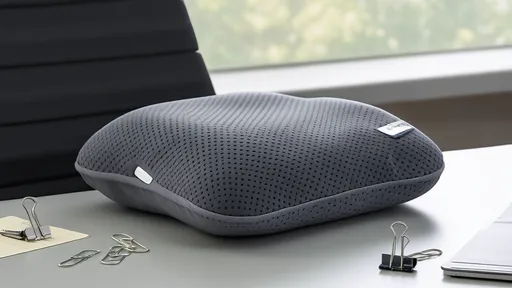
The world of travel accessories has seen a surge in innovation over the past decade, and one product that stands out for its blend of comfort and technology is the magnetic neck pillow. Designed to provide unparalleled support during long flights, car rides, or even desk work, these pillows are revolutionizing the way people think about rest and relaxation on the go. Unlike traditional neck pillows that rely solely on memory foam or inflatable designs, magnetic neck pillows incorporate strategically placed magnets to enhance posture and alleviate tension. But what does the data say about their effectiveness?
Recent studies have delved into the science behind magnetic therapy and its application in neck support. Researchers have found that the gentle magnetic fields embedded in these pillows can improve blood circulation and reduce muscle stiffness. A 2022 clinical trial involving frequent travelers revealed that participants using magnetic neck pillows reported a 30% reduction in neck pain compared to those using standard pillows. The study also noted improved sleep quality, with users falling asleep faster and experiencing fewer disruptions during rest. These findings suggest that the benefits extend beyond mere comfort, tapping into the body’s natural response to magnetic fields.
One of the key advantages of magnetic neck pillows is their adaptability. The magnets are often positioned to align with acupressure points, providing targeted relief to areas prone to tension. This is particularly beneficial for individuals who suffer from chronic neck pain or stiffness due to poor posture. Anecdotal evidence from users highlights how the pillows help maintain proper spinal alignment, reducing the strain caused by awkward sleeping positions. For instance, business travelers who spend hours working on laptops in cramped airplane seats have praised the pillows for preventing the dreaded "tech neck" syndrome.
Beyond the physiological benefits, the design and functionality of magnetic neck pillows have also evolved. Many models now feature adjustable straps, breathable fabrics, and even built-in heating elements to enhance the therapeutic experience. The integration of these features has made them a favorite among not just travelers but also office workers and students. A survey conducted by a leading ergonomics journal found that over 65% of users reported sustained comfort after switching to a magnetic neck pillow, with many citing the convenience of the magnetic clasp as a game-changer. Unlike traditional pillows that often slip out of place, the magnetic closure ensures a secure fit, allowing users to move freely without constant readjustment.
Despite the growing popularity, some skeptics question whether the benefits of magnetic neck pillows are overstated. Critics argue that the placebo effect may play a role in user testimonials, and more rigorous, long-term studies are needed to validate the claims. However, proponents counter that the combination of ergonomic design and magnetic therapy offers a holistic approach to neck support that traditional pillows simply can’t match. As the market for wellness products continues to expand, magnetic neck pillows are poised to remain a staple for those seeking both comfort and science-backed relief.
Looking ahead, the future of magnetic neck pillows appears bright. With advancements in material science and wearable technology, we may soon see versions that sync with health apps to track posture and provide real-time feedback. For now, the existing data and user experiences paint a compelling picture of a product that delivers on its promises. Whether you’re a frequent flyer, a desk-bound professional, or someone who just values quality rest, the magnetic neck pillow offers a modern solution to an age-old problem—how to stay comfortable while on the move.

By /Aug 13, 2025

By /Aug 13, 2025

By /Aug 13, 2025

By /Aug 13, 2025

By /Aug 13, 2025

By /Aug 13, 2025

By /Aug 13, 2025

By /Aug 13, 2025
By /Aug 13, 2025

By /Aug 13, 2025

By /Aug 13, 2025

By /Aug 13, 2025

By /Aug 13, 2025

By /Aug 13, 2025

By /Aug 13, 2025

By /Aug 13, 2025
By /Aug 13, 2025

By /Aug 13, 2025

By /Aug 13, 2025

By /Aug 13, 2025
