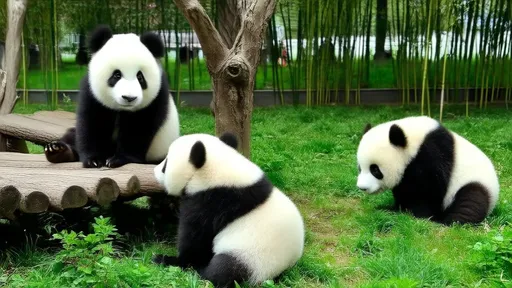
The Chengdu Research Base of Giant Panda Breeding, a global leader in panda conservation, has recently implemented refined temperature guidelines for allowing cubs to engage in outdoor activities. This decision comes after years of meticulous observation and data analysis, reflecting the facility's commitment to balancing the developmental needs of young pandas with their physiological limitations in varying weather conditions.
Unlike adult pandas that can tolerate broader temperature ranges, panda cubs require more controlled environments during their first eighteen months of life. Veterinary specialists at the base have determined that temperatures between 15°C (59°F) and 25°C (77°F) create optimal conditions for cubs to explore outdoor enclosures. When mercury levels dip below 10°C (50°F) or rise above 28°C (82°F), caretakers now restrict outdoor access entirely, a stricter protocol than what applies to mature pandas.
Microclimate Management has become a cornerstone of the base's cub-rearing strategy. The outdoor enclosures designated for cubs feature shaded areas, shallow pools, and strategically placed bamboo groves that create natural temperature buffers. During summer mornings when temperatures hover near the upper threshold, keepers often allow brief 20-30 minute outdoor sessions before the day's peak heat. Conversely, on crisp autumn days slightly below the minimum threshold, staff may permit limited exposure if sunlight is abundant and wind conditions are calm.
The base's research team discovered that temperature fluctuations affect cubs' immune responses more significantly than previously thought. Dr. Li Wei, the lead veterinarian, explains: "Panda cubs undergo critical immune system development between six and twelve months of age. Our data shows that proper thermal regulation during this window reduces respiratory infections by nearly 40%." This finding prompted the base to install real-time monitoring systems in all cub enclosures, with alerts sent to keepers' mobile devices when conditions approach threshold limits.
Behavioral specialists have documented fascinating adaptations in cubs exposed to gradually changing temperatures within the safe range. Cubs introduced to the lower end of the temperature spectrum (around 16°C) demonstrate more exploratory behavior and improved motor skill development compared to those kept constantly at warmer temperatures. However, sudden drops below the threshold frequently result in noticeable stress behaviors like decreased appetite and increased vocalizations.
The base's climate-controlled indoor facilities have undergone parallel upgrades to complement the outdoor policy. Humidity levels are maintained at 60-70% year-round, with ambient temperatures kept within the same range as the outdoor thresholds. This consistency helps cubs transition smoothly between environments without experiencing dramatic thermal shocks. The indoor spaces incorporate naturalistic elements like tree stumps and rock formations to ensure behavioral continuity regardless of weather conditions.
Public education has become an important component of the new policy. Informational displays near cub enclosures explain the temperature guidelines in multiple languages, helping visitors understand why they might see cubs indoors on certain days. The base has also incorporated this information into their keeper talks, emphasizing how these protocols mirror the protective behaviors of panda mothers in the wild, who frequently move cubs between dens to regulate their microenvironments.
Long-term monitoring suggests the temperature policies yield measurable benefits. Cubs raised under these guidelines show 22% faster growth rates and reach developmental milestones approximately two weeks earlier than previous cohorts. Perhaps more importantly, these animals demonstrate better adaptation skills when eventually introduced to larger mixed-age enclosures. The base has shared its findings with other panda facilities worldwide, contributing to improved care standards across the conservation community.
As climate patterns become increasingly unpredictable, the Chengdu base continues refining its protocols. Researchers are currently studying how humidity interacts with temperature to affect cub health, and whether slight adjustments should be made for different seasons. What remains unchanged is the facility's philosophy that understanding and working with nature's rhythms—rather than against them—produces the healthiest outcomes for these vulnerable cubs during their crucial early development.

By /Aug 13, 2025

By /Aug 13, 2025

By /Aug 13, 2025

By /Aug 13, 2025

By /Aug 13, 2025

By /Aug 13, 2025

By /Aug 13, 2025

By /Aug 13, 2025

By /Aug 13, 2025

By /Aug 13, 2025

By /Aug 13, 2025
By /Aug 13, 2025

By /Aug 13, 2025
By /Aug 13, 2025

By /Aug 13, 2025

By /Aug 13, 2025

By /Aug 13, 2025

By /Aug 13, 2025

By /Aug 13, 2025

By /Aug 13, 2025
