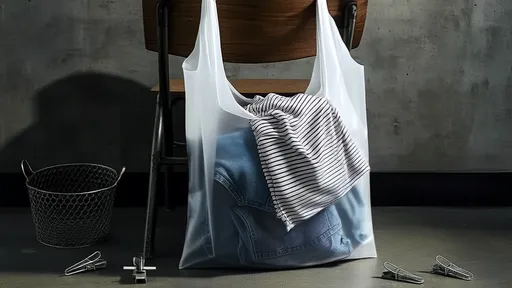
The humble laundry bag might seem like an afterthought in the grand scheme of household chores, but its role in maintaining order and efficiency is often underestimated. From college dorm rooms to bustling family homes, the way we fill and organize our laundry bags can make a significant difference in how smoothly laundry day unfolds. The art of packing a laundry bag goes beyond simply tossing clothes into a sack—it’s about maximizing space, preserving fabric quality, and even extending the life of your garments.
The Science of Space
When it comes to filling a laundry bag, space management is key. Overstuffing can lead to wrinkled clothes, strained seams, and even difficulty in carrying the bag itself. On the other hand, underfilling might mean unnecessary trips to the laundry room or wasted detergent for smaller loads. The trick lies in finding the sweet spot where the bag is full enough to be efficient but not so packed that it becomes unmanageable. Rolling clothes instead of folding them can help maximize space while minimizing wrinkles, especially for bulkier items like jeans or sweaters.
Fabric Care Considerations
Not all fabrics are created equal, and how you pack them can affect their longevity. Delicates like lingerie or silk should be placed in separate mesh bags to prevent snagging or stretching during the wash cycle. Heavier items, such as towels or bedding, should be distributed evenly to avoid creating an unbalanced load that could strain your washing machine. Separating colors and fabrics before they even reach the laundry bag can save time later and prevent accidental dye transfers or damage.
The Psychology of Laundry Day
There’s a psychological aspect to how we fill our laundry bags as well. For many, the act of sorting and packing laundry becomes a ritual—a way to mentally prepare for the task ahead. A well-organized bag can make the chore feel less daunting, while a haphazardly stuffed one might contribute to procrastination. Some people find it helpful to use multiple bags for different types of laundry (whites, darks, delicates) as a way to streamline the process and create a sense of order.
Innovations in Laundry Bag Design
Modern laundry bags have evolved far beyond the simple drawstring sacks of yesteryear. Today’s designs include features like ventilation to prevent mildew, compartments for sorting, and even waterproof materials for wet swimsuits or gym clothes. Some high-tech options even incorporate antimicrobial treatments to combat odors between washes. These innovations aren’t just about convenience—they’re changing how we think about filling our laundry bags, encouraging more mindful packing habits.
Cultural Perspectives on Laundry Storage
Around the world, approaches to laundry storage vary widely. In some cultures, laundry is done daily in small batches, requiring smaller, more frequently used bags. In others, weekly laundry days call for larger containers capable of holding entire households’ worth of clothing. These cultural differences influence not just the size and style of laundry bags used, but also how they’re filled and organized. Understanding these variations can provide interesting insights into domestic routines across different societies.
Environmental Impact of Laundry Habits
How we fill our laundry bags has environmental implications too. Overfilled bags might lead to inefficient washing (requiring multiple cycles), while underfilled ones waste water and energy. The choice of laundry bag material itself—whether it’s plastic, cotton, or recycled fibers—adds another layer to the sustainability equation. Some eco-conscious consumers are now adopting practices like “full load commitment,” where they wait until they can completely fill their laundry bag (and washing machine) before running a cycle, maximizing resource efficiency.
The Future of Laundry Organization
As smart home technology advances, even the humble laundry bag is getting an upgrade. Imagine bags with weight sensors that alert you when you’ve reached optimal capacity, or RFID tags that automatically sort clothes as you place them in the bag. These developments promise to revolutionize how we approach laundry day, turning the simple act of filling a bag into a more precise, data-driven process. While these technologies are still emerging, they hint at a future where laundry management becomes seamlessly integrated into our connected homes.
The way we fill our laundry bags might seem trivial, but it’s these small, everyday efficiencies that add up to significant improvements in how we manage our homes and time. From space-saving techniques to fabric care considerations, the art of packing a laundry bag combines practicality with a touch of domestic wisdom. As laundry solutions continue to evolve, so too will our approaches to this fundamental household task—proving that even the most mundane chores can benefit from thoughtful attention to detail.
By /Aug 13, 2025

By /Aug 13, 2025

By /Aug 13, 2025

By /Aug 13, 2025

By /Aug 13, 2025

By /Aug 13, 2025

By /Aug 13, 2025

By /Aug 13, 2025

By /Aug 13, 2025

By /Aug 13, 2025

By /Aug 13, 2025

By /Aug 13, 2025

By /Aug 13, 2025

By /Aug 13, 2025

By /Aug 13, 2025

By /Aug 13, 2025

By /Aug 13, 2025

By /Aug 13, 2025

By /Aug 13, 2025

By /Aug 13, 2025
