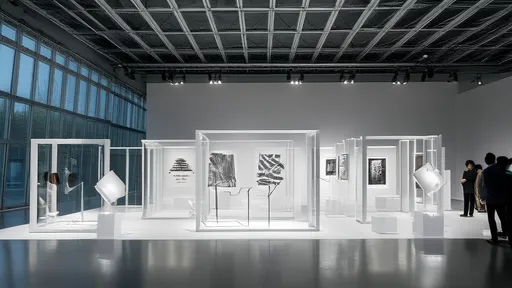
As summer approaches, art enthusiasts and culture seekers in China have a unique opportunity to witness the future of contemporary art. The annual graduation exhibitions at two of the country's most prestigious art institutions - Central Academy of Fine Arts (CAFA) in Beijing and China Academy of Art (CAA) in Hangzhou - offer free admission on specific days, making these significant cultural events accessible to the public.
The graduation shows represent more than just student assessments; they serve as vital platforms connecting emerging artists with the broader art community. These exhibitions typically showcase hundreds of works across diverse mediums including oil painting, sculpture, installation, digital media, and experimental art forms. The free admission days eliminate financial barriers, allowing students' families, local residents, and international visitors to engage with China's next generation of artistic talent.
Central Academy of Fine Arts in Beijing maintains a tradition of opening its graduation exhibition to the public without charge during the final week of the month-long show. This year's exhibition features works from all departments, with particular attention on the experimental projects from the School of Experimental Art and the technologically innovative pieces from the School of Design. The free admission period typically draws large crowds, so visitors are advised to arrive early.
Meanwhile, China Academy of Art in Hangzhou offers an even more generous free admission policy, with no entrance fee on weekends throughout the exhibition period. The CAA show is renowned for its integration of traditional Chinese aesthetics with contemporary practices, especially visible in the Chinese painting and calligraphy departments. The sprawling campus allows for large-scale installations and performance art pieces that utilize the academy's beautiful lakeside setting.
These free admission days serve multiple purposes beyond public accessibility. They provide graduating students with crucial exposure to potential galleries, collectors, and employers. For many young artists, having their work seen by thousands of visitors during these free periods can lead to career-changing opportunities. The exhibitions also function as recruitment tools for the academies, inspiring prospective students with the quality and diversity of graduate work.
The social dimension of these events cannot be overstated. On free admission days, the galleries transform into vibrant meeting spaces where established artists mingle with students, critics engage with the public, and children experience professional art for possibly the first time. This democratization of high-level art education reflects China's growing emphasis on cultural participation and creative industry development.
Both institutions carefully plan these free periods to maximize public benefit while maintaining exhibition quality. CAFA employs timed entry slots during its free week to prevent overcrowding, while CAA spreads out its free days to accommodate different visitor schedules. Security and conservation measures remain stringent even during free admission periods, ensuring the protection of delicate artworks.
For international visitors, these free admission days offer unparalleled insight into China's contemporary art education system. The exhibitions reveal emerging trends and thematic concerns among young Chinese artists, from responses to urbanization and environmental issues to explorations of cultural identity in a globalized world. The bilingual labeling at both institutions helps foreign guests navigate the shows.
Beyond the visual feast, the free admission periods include supplementary programming. Artist talks, guided tours, and demonstration workshops often accompany the main exhibitions. These activities provide context for the works on display and create opportunities for direct engagement between creators and audience members.
The economic impact of these policies deserves mention. While the academies forego ticket revenue during free periods, they gain immeasurable cultural capital and public goodwill. Local businesses near both campuses report increased activity during free admission days, from cafes and restaurants to art supply stores and bookshops. This demonstrates how cultural policies can stimulate broader economic benefits.
As China's art market continues to mature, these graduation exhibitions have gained significance as talent pipelines for galleries and cultural institutions. Collectors and curators increasingly attend the free admission days specifically to identify promising artists before they enter the professional arena. Several now-established Chinese contemporary artists first gained attention during their academy graduation shows.
The free admission policies at CAFA and CAA graduation exhibitions represent a forward-thinking approach to art education and public cultural engagement. By removing financial barriers at critical moments, these prestigious institutions fulfill their educational missions while contributing to China's vibrant cultural ecosystem. For anyone interested in the future directions of Chinese art, these free viewing opportunities provide an essential window into emerging practices and perspectives.

By /Aug 13, 2025
By /Aug 13, 2025
By /Aug 13, 2025

By /Aug 13, 2025

By /Aug 13, 2025
By /Aug 13, 2025

By /Aug 13, 2025
By /Aug 13, 2025

By /Aug 13, 2025

By /Aug 13, 2025
By /Aug 13, 2025
By /Aug 13, 2025

By /Aug 13, 2025

By /Aug 13, 2025
By /Aug 13, 2025

By /Aug 13, 2025
By /Aug 13, 2025
By /Aug 13, 2025

By /Aug 13, 2025
By /Aug 13, 2025
