Nestled within the lush greenery of Singapore Zoo, an extraordinary wildlife encounter awaits those who plan ahead. The Orangutan Breakfast Platform offers visitors a rare opportunity to dine alongside these magnificent red-haired primates while learning about conservation efforts. This immersive experience has become one of the zoo's most sought-after attractions, blending education with unforgettable memories.
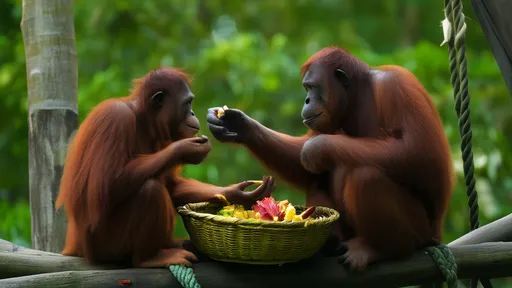
Morning sunlight filters through the canopy as the first visitors arrive at the designated viewing area. The air carries the earthy scent of tropical foliage mixed with the aroma of fresh fruit platters being prepared. Unlike typical zoo exhibits where animals remain distant figures behind barriers, here the orangutans move freely on elevated platforms just arms-length away from astonished spectators. Their intelligent eyes seem to study the humans as intently as we observe them.
Reservations for this unique experience open precisely sixty days in advance, with slots filling faster than ripe fruit disappears from the primates' feeding trays. The zoo limits group sizes to maintain an intimate atmosphere and minimize stress on the animals. Visitors frequently describe the encounter as humbling - watching juvenile orangutans peel bananas with dexterous fingers remarkably similar to our own serves as a powerful reminder of our shared ancestry.
The breakfast session begins with an educational talk by primate specialists who've worked with these individuals for years. They share fascinating insights about each orangutan's personality - how some prefer papaya over melon, or how the dominant male always saves his favorite fruit for last. These stories transform the animals from exhibits into recognizable individuals with distinct preferences and social dynamics.
Conservation forms the heart of the experience. Keepers explain how habitat destruction in Borneo and Sumatra threatens wild populations, making every bite of sustainably sourced fruit served during the breakfast significant. The zoo's breeding program success stories receive particular emphasis, especially the reintroduction of several zoo-born orangutans into protected rainforest areas. Many visitors leave not just with photographs, but with a deepened commitment to supporting sustainable palm oil initiatives.
Practical considerations enhance the experience. The platform features shaded seating areas strategically positioned for optimal viewing without crowding. Professional photographers circulate to capture guests' interactions, available for purchase later. A small retail space offers ethically produced souvenirs, with proceeds funding conservation projects. The zoo thoughtfully provides hand sanitizing stations and reminds visitors about responsible interaction protocols.
What surprises many attendees is the profound stillness that occasionally settles over the group. Between the educational commentary and clicking cameras, quiet moments emerge when humans and orangutans simply regard each other with mutual curiosity. These wordless exchanges often become the most cherished memories. Children particularly delight when a young orangutan mimics their gestures, sparking laughter that seems appreciated by our orange-haired cousins.
The experience concludes with a walk through adjacent exhibits where visitors can observe other primate species. Many find themselves paying closer attention to behavioral details they might have previously missed - the social grooming rituals, tool usage, or maternal care patterns. This heightened awareness represents perhaps the program's greatest success: creating informed advocates for primate conservation.
As the morning heat intensifies, the orangutans gradually retreat to cooler areas of their habitat. Visitors depart with a new perspective on humanity's role in protecting these intelligent creatures. The Singapore Zoo's breakfast program masterfully combines tourism with education and conservation - proving that meaningful wildlife encounters can inspire change long after the last banana has been peeled.

By /Aug 13, 2025
By /Aug 13, 2025

By /Aug 13, 2025

By /Aug 13, 2025

By /Aug 13, 2025

By /Aug 13, 2025
By /Aug 13, 2025

By /Aug 13, 2025

By /Aug 13, 2025
By /Aug 13, 2025

By /Aug 13, 2025
By /Aug 13, 2025
By /Aug 13, 2025
By /Aug 13, 2025

By /Aug 13, 2025

By /Aug 13, 2025

By /Aug 13, 2025

By /Aug 13, 2025

By /Aug 13, 2025
By /Aug 13, 2025
