For travelers with long layovers or early morning flights at Incheon International Airport, the prospect of spending hours in uncomfortable chairs can be daunting. Fortunately, the airport offers a little-known solution that combines convenience with comfort: free capsule cabins. These compact sleeping pods provide weary passengers with a private space to rest without leaving the terminal or spending money on expensive airport hotels.
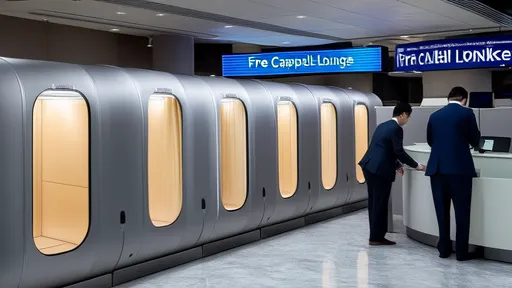
The concept of capsule accommodations originated in Japan, but Incheon Airport has adapted it brilliantly to meet the needs of international travelers. Located in the transit area of Terminal 1, these futuristic-looking pods offer more than just a place to lie down. Each unit comes equipped with basic amenities that transform an exhausting wait into a refreshing stopover experience.
Understanding the availability and limitations of these capsules is crucial. While the service is entirely free, the number of pods is limited, meaning they operate on a first-come, first-served basis. The capsules are particularly popular among passengers with layovers between six and twelve hours - long enough to need proper rest but too short to justify leaving the airport. During peak travel seasons, competition for these pods can be fierce, making timing and preparation essential.
The application process for these capsule cabins is straightforward but requires attention to detail. Travelers must locate the Nap Zone facility on the fourth floor of Terminal 1, near Gate 11 and 43. Here, airport staff manage the distribution of capsules throughout the day. There's no online reservation system, so physical presence at the counter becomes necessary. Passengers need to present their boarding pass and passport to prove they have a valid reason for needing the accommodation.
What many travelers appreciate most is the simplicity of the entire arrangement. Unlike paid lounges or hotels that require credit cards and complicated check-in procedures, the capsule system maintains a refreshingly low-tech approach. After receiving assignment to a pod, guests get a brief orientation about the facilities and rules. The staff typically explains the maximum usage period (usually four hours), though this can sometimes be extended if availability permits.
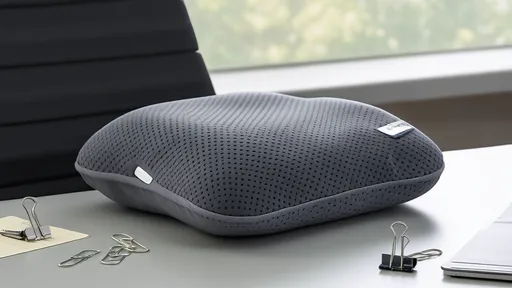
The capsules themselves might appear small at first glance, but they're intelligently designed to maximize comfort in minimal space. Each unit measures approximately 2 meters in length and 1 meter in width - compact yet sufficient for an adult to stretch out fully. The interior includes a comfortable mattress, pillow, and blanket, all sanitized between users. Thoughtful touches like individual reading lights, power outlets, and ventilation systems demonstrate how the airport has considered real traveler needs.
Privacy ranks high among the advantages of choosing a capsule over traditional airport seating. Each pod features opaque walls and a curtain or door that closes securely, creating a personal sanctuary amidst the bustling terminal. This setup proves particularly valuable for light sleepers or those who simply need quiet time away from the constant movement and noise of the airport environment.
Security concerns often arise when considering such shared facilities, but Incheon Airport has implemented several safeguards. The entire Nap Zone area remains under 24-hour surveillance, and only passengers with assigned capsules can access the sleeping area. Each guest receives a key or access card for their specific pod, allowing them to securely store belongings while using shower facilities or exploring the terminal. The presence of airport staff nearby provides additional peace of mind.
While the capsules serve primarily as sleeping spaces, the surrounding Nap Zone offers complementary amenities that enhance the experience. Shared shower facilities with complimentary toiletries allow travelers to refresh before or after resting. A common area with chairs and tables provides space for those who want to eat or work outside their pods. These thoughtful additions transform what could be a purely functional service into a genuinely pleasant airport experience.
The popularity of these capsules has grown steadily since their introduction, creating both opportunities and challenges for airport management. On one hand, the service significantly improves passenger satisfaction scores and reinforces Incheon Airport's reputation for traveler-friendly facilities. On the other hand, the limited number of pods means many eligible passengers still miss out, especially during busy periods. This has led to discussions about potential expansions or the introduction of a nominal fee system to better manage demand.
Seasoned users of the capsule service have developed strategies to increase their chances of securing a pod. Arriving at the Nap Zone counter during less crowded hours (typically mid-afternoon or late evening) improves availability odds. Some travelers coordinate their rest periods with the airport's cleaning schedule, as pods vacated during maintenance rotations often become available in predictable waves. Others recommend having flexible plans - being willing to take whatever pod becomes available first, rather than holding out for a specific location in the Nap Zone.
Cultural considerations also play a role in how travelers utilize these facilities. The capsule concept aligns well with Asian preferences for privacy and efficient use of space, making it particularly appealing to regional passengers. However, Western travelers unfamiliar with compact accommodations sometimes need adjustment time. Airport staff report that most users quickly appreciate the practicality of the pods, regardless of their initial expectations about size or layout.
The success of Incheon's capsule cabins has inspired other international airports to consider similar programs. As aviation hubs increasingly compete on passenger experience rather than just flight connections, amenities that address the very real need for rest during travel are gaining importance. Incheon's model demonstrates how relatively simple infrastructure investments can yield significant improvements in traveler satisfaction without requiring massive construction projects or exorbitant fees.
Looking ahead, the potential for expanding and enhancing the capsule concept appears promising. Future iterations might incorporate more advanced features like adjustable lighting, integrated entertainment systems, or even smart climate control. Some aviation experts speculate about the possibility of premium capsule options that could generate revenue while keeping the basic service free. Whatever direction the program takes, its current form already represents a significant step forward in humanizing the airport experience for transit passengers.
For budget-conscious travelers or those simply seeking convenience, Incheon's free capsule cabins offer an ideal solution to the universal challenge of airport fatigue. The combination of privacy, comfort, and cost-effectiveness makes these pods one of the airport's most valuable yet underpublicized amenities. As word spreads about this innovative service, more passengers are likely to incorporate capsule stays into their travel plans, transforming tedious layovers into opportunities for genuine rest and rejuvenation.

By /Aug 13, 2025

By /Aug 13, 2025

By /Aug 13, 2025

By /Aug 13, 2025

By /Aug 13, 2025

By /Aug 13, 2025

By /Aug 13, 2025

By /Aug 13, 2025
By /Aug 13, 2025

By /Aug 13, 2025

By /Aug 13, 2025

By /Aug 13, 2025

By /Aug 13, 2025

By /Aug 13, 2025

By /Aug 13, 2025

By /Aug 13, 2025
By /Aug 13, 2025

By /Aug 13, 2025

By /Aug 13, 2025

By /Aug 13, 2025
