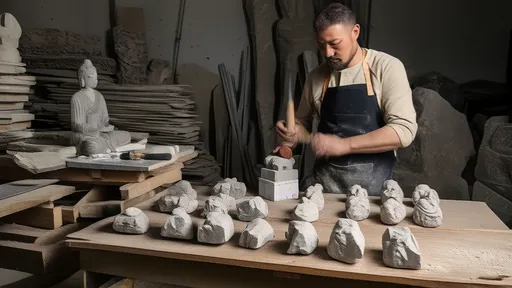
Stone carving, an ancient craft that has shaped human expression for millennia, remains one of the most demanding yet rewarding artistic disciplines. The transformation of a raw stone block into a polished masterpiece requires not only technical skill but also an intimate understanding of the material's soul. This process, often shrouded in mystery to outsiders, follows a meticulous progression from roughing out to fine detailing – each stage building upon the last with irreversible consequences.
Every master carver knows the first encounter with the stone determines the entire creative trajectory. The initial assessment goes beyond measuring physical dimensions; it involves studying the stone's grain, natural fissures, and color variations. Seasoned artisans often spend hours or even days observing the raw material before making the first strike. This contemplative phase separates true craftsmanship from mere technical execution. The stone whispers its possibilities to those patient enough to listen.
The reduction process begins with what traditional carvers call "knocking off the corners" – the brutal yet calculated removal of excess material. Heavy tools like points and claws come into play during this phase, their steel teeth biting into the unyielding surface. The sculptor must maintain constant awareness of the emerging form within the stone while preserving enough material for subsequent refinement. This stage produces clouds of dust and flying chips, a chaotic ballet that gradually reveals order from formlessness.
As the general shape emerges from the stone womb, the carver transitions to more precise tools. The once-jagged surface begins showing smoother planes as chisels replace the heavier implements. Here, the artist's touch becomes more intimate, the hammer strikes more measured. The stone's character becomes increasingly apparent – some varieties reveal surprising softness beneath their hard exterior, while others fight every tool stroke with crystalline stubbornness.
The true magic happens during the detailing phase, where the sculptor's vision finally materializes in three dimensions. Fine chisels and rifflers dance across the surface, coaxing out delicate features and textures. This stage requires surgical precision – a single misplaced strike can undo weeks of careful work. The artist's hands develop a silent communication with the material, reading vibrations and resistance patterns that guide each micro-adjustment.
Surface treatment marks the transition from craft to art. The choice between leaving tool marks visible or creating a perfectly smooth finish depends entirely on the intended aesthetic. Some sculptures demand the raw energy of visible chisel strokes, while others require hours of meticulous sanding to achieve liquid-like surfaces that seem to defy the material's nature. This finishing process often reveals hidden qualities in the stone – unexpected color variations or mineral patterns that become integral to the final composition.
Contemporary stone carving maintains this ancient knowledge while embracing modern innovations. Pneumatic tools and diamond abrasives have joined traditional mallets and chisels in the sculptor's toolkit. Yet despite technological advancements, the fundamental relationship between artist and material remains unchanged. The stone still teaches patience and humility, punishing arrogance while rewarding respect and understanding.
The journey from rough block to finished sculpture represents more than technical transformation – it mirrors the artistic process itself. Each reduction stage parallels the creative refinement of ideas, while the finishing touches resemble the polishing of concepts into coherent expression. Perhaps this explains why stone carving continues to captivate in our digital age: it offers tangible evidence of human will overcoming material resistance, a slow alchemy that turns earth's bones into objects of contemplation and beauty.
Behind every finished stone sculpture lies countless hours of invisible labor – the aching muscles, the failed attempts, the recalculated approaches. What appears as solid permanence to viewers actually contains the memory of its own making, the ghostly presence of removed material, and the artist's persistent vision that guided each decisive strike. This hidden narrative makes stone carving not merely a production method, but a profound dialogue between human creativity and geological time.
By /Aug 19, 2025

By /Aug 11, 2025
By /Aug 11, 2025

By /Aug 11, 2025

By /Aug 11, 2025
By /Aug 11, 2025

By /Aug 11, 2025
By /Aug 11, 2025

By /Aug 11, 2025
By /Aug 11, 2025
By /Aug 11, 2025
By /Aug 11, 2025

By /Aug 11, 2025
By /Aug 11, 2025
By /Aug 11, 2025
By /Aug 11, 2025
By /Aug 11, 2025

By /Aug 11, 2025
By /Aug 11, 2025
By /Aug 11, 2025